EN
 PT
 RU
 ZH
 ES
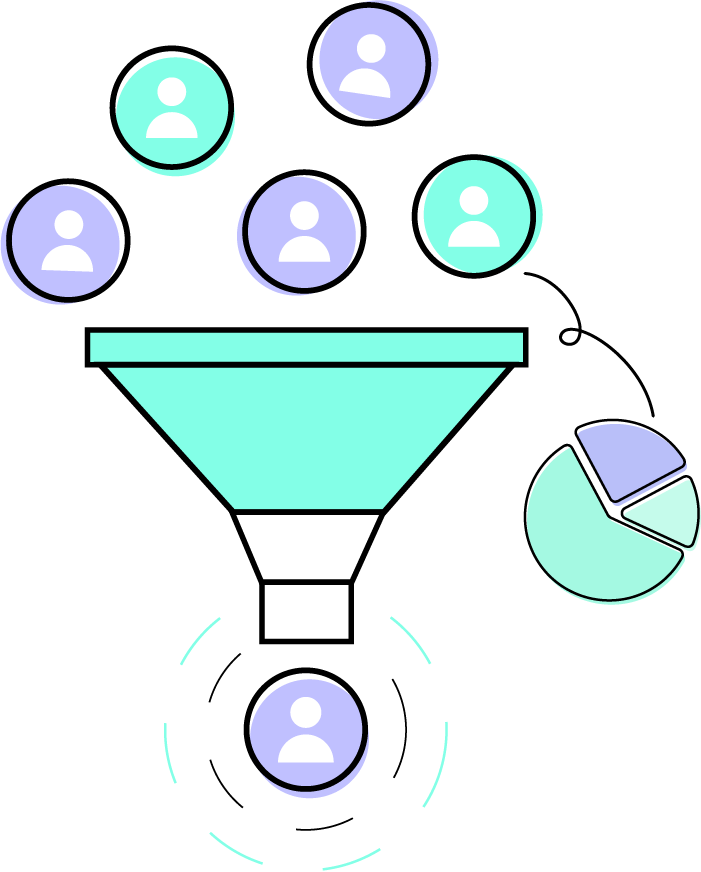
Building a remarkable product is just a piece of the pie; what is equally important is that the product gets into the right hands at the right moment. If customers are not aware of your brand and your offering per se, then your products, however alluring they may be, fail to gain the necessary traction and lose the ability to make a business. This scenario is where the need for promotional tools and software arises. Businesses at present use a diverse mix of platforms such as social media platforms, email marketing, influencer marketing, search engine optimization, and paid advertising, and make use of analytical tools to improve their product visibility and brand awareness. With these promotional tactics, they tend to establish the right connection with the right set of audiences. By establishing the right connection with the right set of audiences, these promotional tactics help brands communicate their core message, highlight product features and benefits, and ultimately encourage customers to make a purchase and recommend the product within their social and professional circles. This is how brands are trying to attract relevant traffic, encourage their customers to make a purchase, and drive the much-needed conversions.
Why Are These Promotional Tools Important?
Promotional tools and software are cornerstones of affiliate marketing businesses, which connect brands with their potential customers, expand product reach, understand the behaviour of target audiences, and improve the campaign's overall effectiveness. They also help establish brand credibility across wider geographical areas and help them stand out by making all the right noise in the competitive market. A significant portion of the budget goes to these tools, which help build brand awareness, capture audience attention, and ultimately drive sales and conversions. On this note, let us see in a one-by-one manner how these tools are consequential for your business:
1) Increasing Brand Awareness and Product Visibility:
Consistent promotional activities help familiarize your brand to potential customers. Such exposure helps them consider your brand for making a purchase or referring it to others in their social/business circles, giving you a preference over other competitive players in the market. When people encounter your brand regularly on a host of platforms and networks, this will let them leverage your content and offerings when the actual need arises. Such an exposure makes them easily recall your name, and hence, in this context, marketers should not leave any opportunity to promulgate their brand across advertising platforms. For example, a brand can use social media platforms and search advertising to promote its newly launched cosmetic product amongst its customers and followers. To do so, you need to use an eye-catching advertisement to attract your users' attention, and it should include a clear CTA (call-to-action). The message to deliver should be persuasive in nature, and your application should have no technical glitches or friction while users navigate to the concerned platform, supported by smart link generation wherever applicable.
2) Reaching the Right Set of Audience:
To increase the online sales of your product, you must make sure to target the right set of customers with the right set of products and at the right intervals. This becomes possible when you segment them based on certain of their characteristic attributes, such as purchasing behaviors, interests, type of devices used, types of platforms used by your potential audiences, their geographical location, and other demographic factors in consideration. Such segmentation will help you to target audiences with personalized messages that tend to resonate with their needs and influence their purchasing behavior. It is also done because not every customer is interested in your product, so you need to selectively narrow down your audience choices using promotional tactics at specific intervals. For example, a business selling food items can focus on people interested in buying groceries, while an e-commerce referral program can help encourage existing customers to recommend products to relevant audiences.
3) Improving Market Efficiency and Measuring Outcomes:
Another important benefit of promotional tools is that they track and measure campaign performance using some key metrics such as clicks, impressions, views, leads, and conversions. Businesses can use a Network performance tracker or a Network tracking solution to monitor these metrics across campaigns and channels. Based on the results measured through such metrics, marketers can refine their strategies, adjust their budgetary requirements, improve their messaging, and focus on those activities that deliver increased returns. This improves their campaign efficiency and enables more informed decisions, free from guesswork or speculation.
What Are Some Of The Essential Tools To Expand Product Reach To The Target Audience?
Businesses can use a range of tools to improve product discovery and reach their audiences. The selection of these tools depends on how well they cater to the target audience's needs and expectations, align with the campaign's objectives, and suit the nature of the product, etc. Let us have a brief look at these tools as mentioned below:
1) Search Engine Optimization:
This includes optimizing online content that resides on popular search engines and website elements, as well as product pages. It will help search engines understand the information available online and present it to their customers in the most effective manner. Through SEO, businesses can significantly improve a product's online visibility, especially when customers search for specific information, products, or services.
2) Social Media Marketing:
Social media marketing provides an opportunity for marketers to introduce their product to a wide range of customers and markets. Social media platforms cater to different audience types and support different content types and formats. However, social media marketing must ensure content offers value rather than serving only promotional purposes, and influencer affiliate tools can help brands collaborate with suitable content creators and measure campaign results.
3) Paid Advertising:
Paid advertising lets audiences discover products and services using search engines, social media platforms, websites, mobile applications, and other digital channels. Search advertising comes into effect when audiences are actively looking online for their products or services. Social media advertising occurs when advertisers serve paid ads to a target audience via social media networks. Programmatic advertising occurs when advertisers use automation to purchase and optimize digital ad placements, while real-time bidding enables automated bidding for eligible advertising inventory. In order for paid advertising to work effectively, marketers must experiment with different creative elements, landing pages, ad placements, headlines, and target different audience segments to determine which combinations perform best.
4) Email Marketing:
Email marketing includes another direct way of promoting your campaign to those who have subscribed to your offerings and product updates. This approach shows that your target customers are interested in your brand and searching for information from your side. Businesses use email campaigns to promote special offers, deliver educational content, introduce new products and services, and encourage existing customers to discover related products.
5) Influencer Marketing:
This type of marketing takes place when businesses partner with third-party affiliates, content creators, comparison websites, and other influential personalities who can promote their products in return for a given compensation. The success of this type of marketing depends on several factors, including the influencer's influence and reach among their target audience, the value propositions of the offers, the credibility and authenticity of their content, and the suitability of the product being promoted. affiliate software for agencies helps coordinate affiliate relationships and monitor campaign outcomes.
Strategies to Increase Product Reach and Connect with Your Audience
Businesses must devise structured strategies that can increase their product reach and align with their customer needs. Let us see some time-tested strategies that can help businesses increase product visibility, reach the right audience, build meaningful connections with existing customers, and drive long-term growth:
1) Consistency in Content Marketing:
By delivering clear and consistent content across channels, you can help to strengthen brand credibility, enforce trust, increase customer engagement, and achieve marketing goals. This also includes publishing your message at regular intervals on different platforms. Consistency helps to align your content with your brand voice and marketing objectives. However, consistency alone will not suffice; publishing high-quality and relevant content is all the more important for a brand to achieve long-term success.
2) Adopt a Multichannel Promotional Strategy:
Limiting your promotional efforts to a single platform can restrict product visibility, as your business will be entirely dependent on that channel's performance. This may impact your business if that single channel does not perform well or if your competitors are leveraging multiple channels to increase their brand visibility and significantly multiply their revenues.
Hence, to avoid the pitfalls of this approach, you must invest your energy and effort into promoting your offerings on multiple channels, which can create more opportunities for your customers to discover and evaluate your products or services. This is true because each channel serves a different purpose. Search engines capture the attention of those users who are actively searching for a solution or new offerings, email marketing nurtures their interest, and social media introduces products to new customers. Combining these promotional channels helps you achieve your campaign goals more effectively and measure campaign performance more accurately.
3) Define Your Target Audience and Their Segmentation:
The first and most important step is to identify which audience members are interested in your offering and would benefit from your promotional strategy. Accordingly, businesses tend to categorize or segment their customers based on their age range, professional role, purchasing behavior, challenges, and others. Customer surveys, market research, website analytics, sales and marketing conversations, and others help to evaluate audience expectations. Accordingly, marketers tend to deliver relevant messages on the appropriate channels to interested customers and increase sales. This approach respects user privacy and fosters trust and transparency by ensuring that promotional messages remain relevant, targeted, and aligned with customer needs. This approach relies on a first-party data collection mechanism, which collects data directly from customers through their interactions with the business and supports Customer journey tracking across relevant touchpoints.
4) Social Media Platform-Related Strategies:
Here are some of the popular social media platform-specific strategies:
I) LinkedIn Keyword Research:
LinkedIn keyword research helps businesses highlight those phrases, terms, and industry-oriented keywords that their target audiences use to search for professional solutions or content and services. These keywords are added to a specific company profile, posts, online articles, and ad campaigns, which enhances business visibility, attracts the attention of relevant professionals, and helps the business form connections with decision-makers, industry experts, and potential business partners and clients.
II) Facebook Retargeting:
Facebook retargeting helps businesses reconnect with customers who have previously shown interest in their products or services through Facebook pages, company websites, and applications. By retargeting these audiences, businesses remind them about their offerings, address their concerns and interests, and spur them to revisit their website and make a purchase. This is how they nurture their prospects, improve conversion opportunities, and make their advertising more effective.
III) Remarketing with Google Ads:
Remarketing with Google Ads allows businesses to target those customers who have previously visited their websites or interacted with them, used Google services, and more. This reinforces brand recall and re-engagement with potential customers to help them complete a desired action and drive conversions. However, this requires user consent and must be in conformity with Google's ad policies and privacy regulations.
IV) Increased personalization using a chatbot:
Enabling chatbot features on their websites, apps, or social media platforms helps businesses interact with their customers in real time, address customers' evolving queries or concerns, and offer personalized assistance to them. By doing so, businesses assist customers in their purchasing journey by answering all their FAQs and guiding them with necessary product information or recommending selective offerings. With the help of prompt replies and simplified customer interactions, businesses improve their customer experience and better understand their customers' preferences. This also helps them identify suitable opportunities that can lead to an increase in the volume of conversions and generate qualified leads.
Conclusion:
Promotional tools become more effective when a clear-cut, action-oriented, and compelling product marketing strategy supports them. The ultimate goal of business is not to reach a large market; rather, it is to build meaningful connections with customers who have a vested interest in your offerings. The combination of the right tools and customer-focused communication can strengthen your product's visibility, attract relevant audience segments, drive conversions, and lead to profitable outcomes.