 EN
EN PT
PT RU
RU ZH
ZH ES
ES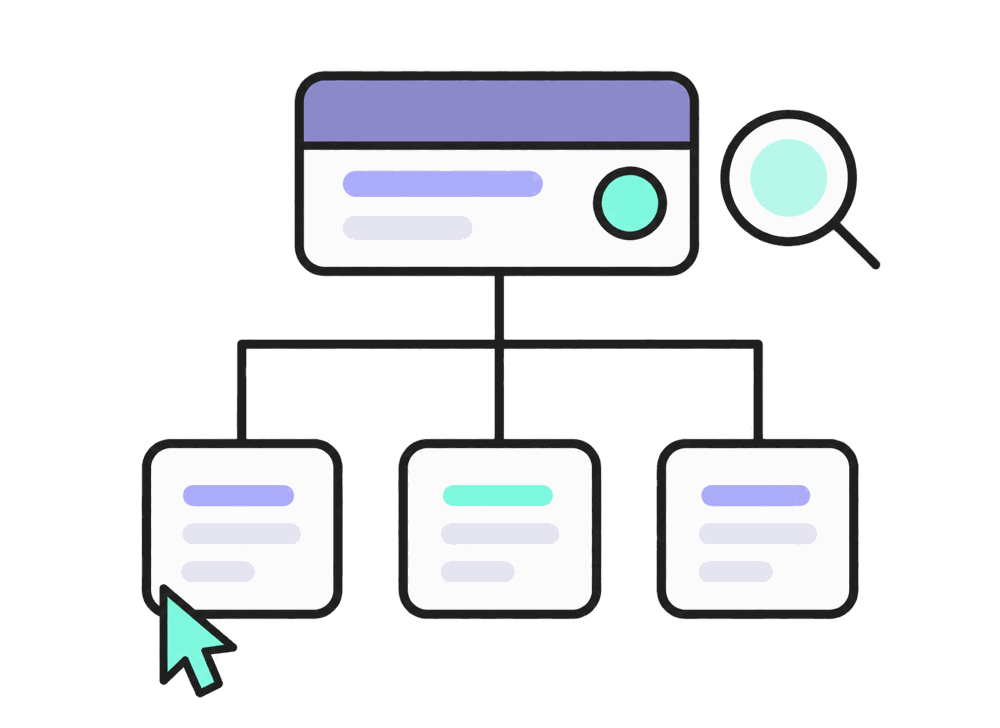
Every growing network reaches the same fork. An advertiser wants more volume than your direct publishers can deliver, and a partner network offers to fill the gap. You accept, volume arrives, and the numbers look good for a while.
Then an advertiser asks which publisher produced a batch of low-quality leads, and the honest answer is that you do not know. The traffic came from a sub-network containing publishers you have never seen, running placements you cannot name, on sites you cannot audit.
Sub-affiliate relationships are a legitimate and widely used reach strategy. They become a liability when the tracking structure treats an entire sub-network as a single publisher. This guide explains how to structure sub-affiliate tracking so that reach does not cost you attribution, quality control, or an advertiser relationship.
What a Sub-Affiliate Network Actually Is
A sub-affiliate network is a partner that joins your programme as one publisher account and then distributes your offers to its own publishers. Those publishers may, in turn, work with others. The chain can run deeper than most networks realise.
Three arrangements are common:
- A partner network reselling your offers. This is the most frequent case. The network takes a margin between your payout and what it pays its own publishers.
- A media buying team with sub-teams. One account represents several buyers, each working with different traffic sources.
- A publisher aggregating smaller affiliates. This is often a content or coupon operator representing a group that is too small to join directly.
None of these arrangements is inherently problematic. The problem is structural: your platform sees one partner ID where fifty independent traffic sources exist. Every quality decision is therefore made at the wrong resolution.
The Four Problems Sub-Networks Create
1. Attribution Collapses to a Single Account
When a sub-network sends traffic under one publisher ID, your reporting aggregates fifty sources into one row. A conversion rate of 2 percent for that row might represent one excellent source at 8 percent and forty poor ones near zero.
Averaged together, the performance looks acceptable, but decisions based on that average will be wrong either way. You may cut a partner containing your best traffic or retain one containing your worst.
2. Fraud Hides Behind the Aggregate
A sub-network's controls may be weaker than yours or entirely absent. Bot traffic, click spamming, incentivised traffic presented as organic, and cookie stuffing can all arrive mixed with legitimate volume.
Because fraud is diluted across the aggregate, it may not trigger thresholds set at partner level. A source producing entirely fraudulent conversions can remain invisible inside an account that looks broadly normal. The types of affiliate fraud that survive longest are often the ones that never breach a rule.
3. Compliance Exposure You Cannot See
Your advertiser contract may prohibit trademark bidding, certain creative claims, incentivised traffic, or specific placements. You can enforce those restrictions with direct publishers because you know who they are.
You cannot enforce them two or three steps down a chain you cannot enumerate. If an advertiser discovers its brand being bid on by a publisher you have never heard of, the contractual breach is still yours. In regulated verticals such as fintech and health, this is a material risk rather than an administrative concern.
4. Margin Compression Through the Chain
Each layer takes a margin. If you pay a sub-network USD 10 per lead and it pays its publisher USD 6, that publisher is optimising for a USD 6 payout. The quality you receive reflects what the end publisher is actually paid, not what you paid at the top of the chain.
Understanding the depth of the chain is therefore part of understanding the quality you should expect.
How to Structure Sub-ID Tracking
The solution is not to refuse sub-network traffic. It is to require enough structure for the traffic to be managed. That means using mandatory, consistent sub-ID parameters at every level.
Define the Parameter Hierarchy Before Launch
Most platforms support several sub-ID slots. Assign each slot a fixed meaning across the entire programme instead of allowing every partner to populate them freely:
- Sub ID 1: The sub-network's publisher identifier. This is the essential field.
- Sub ID 2: Traffic source or placement.
- Sub ID 3: Creative, landing page, or campaign variant.
- Sub ID 4: Reserved for your own internal tagging.
Inconsistency makes sub-ID data useless. If one partner puts placement information in slot 1 while another puts publisher ID there, reporting cannot be aggregated and the effort is wasted.
Make Sub-ID Population Contractual
Include sub-ID requirements in the insertion order. Traffic arriving without a populated Sub ID 1 should be treated as unverified.
Some networks apply a lower payout to unattributed traffic, while others reject it outright. Either approach is defensible. Silently accepting unattributed traffic is not, because it removes any incentive for the partner to pass the data.
Confirm That Values Survive the Chain
Sub-IDs are lost in the same places as click IDs: landing pages that strip query parameters, shorteners that drop them, and redirects that truncate long URLs.
Test the complete chain with Link Tester before traffic begins and after every partner-side change. A parameter that arrives empty half the time creates reporting that is worse than none because it appears complete.
Watch Cardinality for Warning Signs
Count distinct Sub ID 1 values for each partner every week. Two patterns deserve attention.
A sub-network reporting only one or two publisher IDs across substantial volume may not be passing genuine source data. A count that jumps from twenty to three hundred overnight can indicate that the partner has opened your offer to an open marketplace, creating a different risk profile from the one originally agreed upon.
Managing Payouts Across Tiers
Sub-affiliate arrangements are usually priced differently from direct partnerships. The payout structure must reflect this without relying on manual spreadsheet work.
Practical requirements include per-partner payout overrides for the same offer, allowing a sub-network to operate at a lower rate than a direct publisher. Networks may also need tiered rates that change according to volume or quality thresholds, along with the ability to hold conversions in a pending state until the advertiser confirms them.
Pending approval is especially important for sub-networks because rejection rates are typically higher. Paying on gross conversions before advertiser validation transfers all quality risk to the network. A platform with approval windows and advertiser status updates allows payment to be based on confirmed volume instead.
Automated affiliate marketing workflows can manage these recalculations so the finance team reviews exceptions rather than every line.
Quality Control at Source Level
Once sub-IDs are reliable, the controls used for direct publishers can operate one level deeper.
Score and Act at Sub-ID Level
Affiliate fraud detection rules should evaluate the Sub ID 1 value rather than only the parent account. The system should also be able to block or hold a single source without pausing the entire partner.
Apply Caps at Multiple Levels
Daily conversion caps for each sub-ID can prevent one poor source from consuming an advertiser's budget before anyone has reviewed the data.
Route Traffic Conditionally
Smart Offer routing can direct traffic from unproven sub-IDs to a lower-value or test offer until those sources establish a record. This keeps premium advertiser inventory available for sources with a performance history.
Report at the Right Resolution
Anonymised sub-ID-level reporting allows advertisers to see how many sources produced their volume and which ones performed, without exposing a partner's publisher list. This is often enough to resolve a quality dispute that would otherwise become an argument about one aggregate number.
Reconcile Every Week
Sub-network traffic amplifies ordinary tracking discrepancies because every additional hop creates another opportunity for a click ID to be lost.
How Offer18 Supports Sub-Affiliate Operations
Offer18 treats sub-ID data as a primary reporting dimension rather than a pass-through field. Sub-IDs can be grouped, filtered, and reported alongside publisher, offer, geography, and device, allowing a single source inside a partner account to be isolated and managed.
Payout overrides and tiered rates can be set per publisher on the same offer. Conversions can remain pending until advertiser confirmation, helping sub-network payouts follow approved volume. Fraud rules can evaluate sub-ID values and hold or reject activity at that level without suspending the parent partner.
White-label panels give sub-networks their own branded reporting view, reducing the support workload that tiered relationships often create.
For networks operating this model at scale, the important combination is affiliate network software in which partner hierarchy, payouts, reporting, and fraud controls all use the same identifiers.
Frequently Asked Questions
What is a sub-affiliate network?
A sub-affiliate network is a partner that joins your programme as a single publisher account and distributes your offers to its own publishers. It extends reach quickly, but without sub-ID tracking, your reporting cannot distinguish between the sources inside it.
Should networks accept sub-affiliate traffic?
Sub-affiliate traffic is a normal part of the industry and is often necessary to meet advertiser volume commitments. The essential condition is visibility through mandatory sub-ID parameters, contractual quality terms, and the ability to block an individual source instead of an entire partner.
How many sub-ID levels should I track?
Most networks are well served by four consistently defined slots covering publisher, source, creative, and internal tagging. Consistency across partners matters far more than depth. Two well-defined parameters are more useful than six populated arbitrarily.
How do I detect fraud inside a sub-network?
Analyse performance at sub-ID level instead of partner level and look for concentration. Common signals include conversion rates far above or below the partner average, unusual time-of-day patterns, single-source traffic spikes, and high rejection rates associated with one identifier.
What if a partner refuses to pass sub-IDs?
Treat the refusal as a commercial decision. Options include reducing the payout for unattributed traffic, applying a volume cap, or restricting the partner to lower-risk offers. A partner unwilling to identify its traffic sources is asking you to accept quality risk without the means to manage it.
Build the Structure Before the Volume
Sub-affiliate relationships are worth maintaining. They can fill advertiser commitments that direct publishers cannot and open geographies that might otherwise take a year of recruitment to reach.
What makes these relationships sustainable is insisting on structure at the beginning, when you have leverage, rather than after a quality incident. Define the parameters, include them in the insertion order, validate that they survive the redirect chain, and ensure your platform can act on them.
If sub-network traffic currently appears as one row in your reporting, start a free trial of Offer18 and run one partner with a complete sub-ID structure for a fortnight. What that partner's single row breaks into is often the most useful thing you learn that month.