 EN
EN PT
PT RU
RU ZH
ZH ES
ES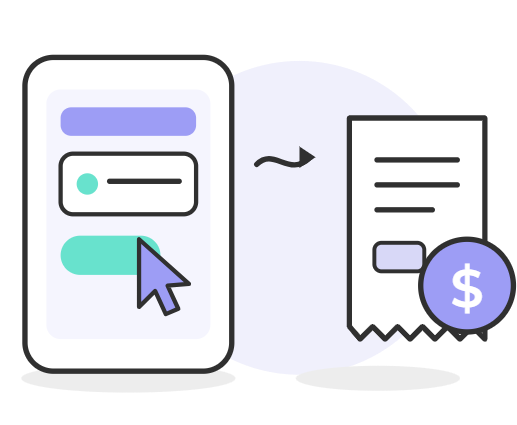
Mobile value-added services are one of the oldest performance verticals still running at scale, yet they remain among the least discussed. Across South and Southeast Asia, MENA, Africa and Latin America, many mobile users have no card or wallet, but they do have airtime. Direct carrier billing turns that airtime into a payment method, while mVAS offers—including games, video, music, quizzes, utilities and insurance micro-products—turn it into a performance channel.
For affiliates, mVAS is attractive for the same reason it is difficult: the conversion does not happen on the affiliate's page. It happens inside a flow the affiliate does not control, is confirmed by a carrier system the affiliate cannot see and may be reversed weeks later when the subscriber unsubscribes. Tracking a click to a landing page is easy. Tracking it to a billed and retained subscriber is the real job.
This guide explains how mVAS flows work, what should be measured at each stage, which fraud patterns are specific to the vertical and how to configure tracking so that campaign numbers match the operator's records.
How an mVAS Conversion Happens
An mVAS campaign is a chain, and every link in that chain can break attribution.
Traffic and Pre-Landing
The affiliate sends traffic—typically pop, push, in-app, native or social—to a pre-lander or directly to the offer page. Because the offer is carrier-specific, the user's operator and geo must be identified correctly at this point. Otherwise, the flow may fail before it starts.
The Subscription Flow
From the landing page, the subscription takes one of several forms depending on the market and the carrier's rules.
PIN Flow
In a two-step PIN flow, the user enters a mobile number, receives a one-time PIN by SMS and enters it to confirm the subscription. It is the slowest flow to convert, but it is also the easiest to defend and is mandatory in markets with double opt-in requirements.
One-Click Flow
On a mobile data connection, the carrier identifies the subscriber through header enrichment, and a single tap completes the subscription. This flow has the highest conversion rate, is strictly regulated and is available only where the carrier permits it.
Click-to-SMS
The user sends a keyword by SMS to a short code. This approach is common in markets where data connections are less reliable.
Billing Confirmation
The carrier or aggregator attempts to charge the user's airtime balance or post-paid bill. This is the event that actually pays the affiliate. On a prepaid account, the charge can fail because of insufficient balance even after a successful subscription.
Renewal and Churn
Most mVAS offers are subscriptions charged daily or weekly. Revenue depends on how long subscribers remain active, not simply on how many sign up. As a result, a campaign that looks excellent on day one may be unprofitable by day thirty.
What to Measure at Each Stage
The biggest measurement mistake in mVAS is tracking only the final conversion. When performance declines, a single conversion event does not reveal which part of the flow failed. Each stage of the funnel should be tracked separately.
Click to Landing Page
Confirm that the redirect resolves correctly for the user's operator, geo and device. A broken or mis-targeted redirect for one carrier may be invisible in aggregate reporting while quietly wasting a large share of campaign spend.
Landing Page to PIN Request
Measure the share of visitors who enter a mobile number. A low rate here usually indicates a targeting mismatch, such as the wrong carrier, language or device class, rather than a creative problem.
PIN Request to PIN Submission
This is where many mVAS funnels lose users. SMS delivery delays, expired PINs and users abandoning the process after leaving the page all appear at this stage.
PIN Submission to Billing Success
Monitor the difference between a confirmed subscription and a completed charge. Persistent gaps may point to prepaid balance failures or a carrier-side problem that should be raised with the aggregator.
Billing Success to Renewal
Track the second, seventh and thirtieth charges. This is where the campaign's churn curve and effective CPA become visible.
Tracking these stages as separate events provides a diagnosis instead of a symptom. Use server-to-server postbacks so that each event is confirmed by the system that owns it rather than inferred from browser activity. A suitable mobile attribution platform can help connect these events across the campaign funnel.
Fraud Patterns Specific to mVAS
mVAS attracts fraud because payouts are small, volume is enormous and the user's confirmation step can sometimes be automated. Effective affiliate fraud detection therefore requires controls tailored to the vertical.
Click Spamming and Click Injection
Manufactured clicks may be fired at high volume to claim attribution for organic subscriptions or conversions generated by other partners. The main warning sign is a click-to-conversion time distribution that does not resemble human behaviour.
Bot-Completed Flows
Scripts can fill mobile number fields and, in weaker implementations, complete PIN entry. Warning signs include identical time on page, sequential number ranges and uniform device fingerprints.
Proxy and Emulator Traffic
This traffic is presented as if it comes from the correct carrier and geo when it does not. Subscriptions from these sources tend either to fail billing or churn on the first renewal.
Forced and Unintended Subscriptions
Some flows are designed to generate a tap without informed consent. Beyond the ethical problem, these subscriptions lead to complaints, refund demands and carrier sanctions, potentially eliminating the payout stream entirely.
Churn-Shaped Fraud
This traffic converts and then unsubscribes immediately, often from the same narrow source. Because it passes the initial conversion check, it becomes visible only when retention is measured by source.
The defence must be layered. Validate traffic sources before users enter the flow, cap clicks and conversions by source, and measure partner-level retention rather than conversion totals alone. A partner with excellent conversion rates but poor day-seven retention is costing money rather than generating it.
Setting Up mVAS Campaigns for Accurate Tracking
Target by Operator, Not Just Geo
If an offer is live on two carriers in one country, pooled traffic will produce data with limited value. Operator-level targeting and reporting are baseline requirements for this vertical. Further targeting principles are covered in Get the Affiliate Traffic You Want with Geo-Targeting Techniques.
Test Redirects Before Buying Traffic
Carrier-specific redirects can fail in ways that are invisible from the campaign manager's own connection. Use a Link Tester to verify redirects by geo and device before spending, not after.
Apply Caps at Multiple Levels
Daily caps on clicks, conversions, impressions and budget contain both fraud and ordinary campaign mistakes. In a vertical with daily billing cycles, an uncapped campaign can generate a large liability overnight.
Route Traffic Dynamically
Carrier capacity, offer caps and payouts change constantly in mVAS. Weighted distribution to the best-performing offers helps keep traffic productive when one offer stops accepting it. A Smart Offer can redirect affiliate traffic through tracking URLs as caps and performance change.
Reconcile With the Aggregator
The tracking platform, aggregator and carrier will rarely agree perfectly. Establish a reconciliation schedule and an acceptable variance threshold in advance. Investigate results outside that threshold while the relevant logs still exist.
Report on Churn, Not Just Conversions
Effective CPA in a subscription vertical is total payout divided by retained subscribers, not sign-ups. Campaign reporting should clearly show this relationship.
How Offer18 Supports mVAS Campaigns
Offer18's mobile VAS marketing platform is built around parts of the vertical that generic trackers handle poorly. Operator targeting delivers traffic based on ISP alongside device and geo targeting, helping carrier-specific offers reach users who can complete them.
Carrier logs identify ISP data directly in reporting, while geo analytics provide a regional view of traffic quality with drill-down across more than 87 metrics. Capping can be applied at click, conversion, budget and impression levels to contain exposure within a daily billing cycle.
Offer Automation optimises campaigns based on clicks, conversions and conversion rate. Smart Offer redirects affiliate traffic to relevant offers through tracking URLs when an offer reaches its cap or performance changes. Link Tester displays redirection results by geo and device so that carrier redirects can be checked before traffic is purchased.
For fraud control, the platform applies Click Spamming Defender against high-volume virtual clicks, Fraud Fender to filter bot clicks originating from the same IP or ISP, and Traffic Source Validator to block bot and emulator traffic as well as proxy browsers. CPC and CPA billing models are supported, while churn-rate analysis addresses the subscription side of the vertical where profitability is determined.
Frequently Asked Questions
What does mVAS mean in affiliate marketing?
mVAS means mobile value-added services. These are digital content and service subscriptions, such as games, video, music, quizzes and utilities, sold to mobile subscribers and charged through the mobile operator instead of a card. Affiliates are paid per completed subscription or billed charge.
What is direct carrier billing?
Direct carrier billing is a payment method in which a purchase is charged to the user's mobile account. The amount is deducted from prepaid airtime or added to a post-paid bill. It removes the need for a card or bank account, which is why it dominates in markets with low card penetration.
How do PIN and one-click flows differ?
A PIN flow requires the user to enter a one-time code sent by SMS, confirming consent in two steps. A one-click flow uses carrier header enrichment on a mobile data connection to identify the subscriber, allowing one tap to complete the subscription. One-click flows convert better, while PIN flows are required in markets with double opt-in rules and are easier to defend in a dispute.
Why do mVAS conversions and carrier reports disagree?
The systems measure different events. A tracking platform may record a completed subscription flow, while the carrier records a successful charge. Prepaid balance failures, delayed billing attempts and same-day unsubscribes can all create discrepancies. Regular reconciliation with the aggregator and an agreed variance threshold help keep the difference manageable.
How is mVAS campaign profitability measured?
Profitability is measured by retained subscribers rather than sign-ups. Because most offers bill daily or weekly, revenue per subscriber across the billing cycle must be compared with payout per acquisition. Tracking churn by traffic source distinguishes a profitable partner from an expensive one.
Conclusion
mVAS rewards operators who measure the entire chain. The economics are driven by events after the conversion—whether the charge succeeded, renewed and remained active beyond the first week—as well as events before it, including the carrier and device targeting that determines whether the flow can be completed.
Configure the funnel as distinct, server-confirmed events. Target and report at operator level, apply caps at every level, validate sources before users enter the flow and judge partners by retention. In a subscription vertical, a high conversion rate combined with high churn is a cost, not a result.
Offer18 brings operator targeting, carrier logs, multi-level capping, churn analysis and mVAS-specific fraud controls into one system. Start a 14-day free trial with no credit card required, and set up the funnel as measurable stages before the next campaign goes live.