 EN
EN PT
PT RU
RU ZH
ZH ES
ES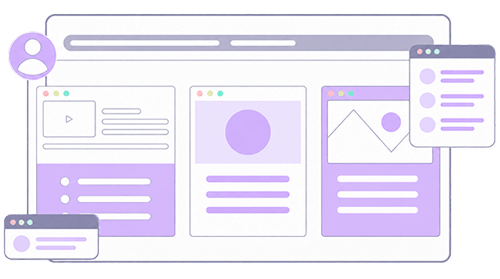
To build a successful marketing funnel, one needs to have a great landing page. This is where the secret lies. What people see when they click on your site matters most and determines your affiliate profit. Affiliate landing pages are a part of a bigger affiliate marketing funnel. Emails and newsletters enable affiliates to send educational, promotional, or how-to content to their customers that introduces them to new product features, updates, or offers and highlights the product's potential benefits. These communications can then direct interested users to a specific landing page where they can gain detailed insight into the offer in general and, accordingly, allow them to take the desired next step in their shopping journey. In this post, we will be looking at the different landing pages that can convert and how to set them up. Now, let's start with a proper definition.
What Is an Affiliate Landing Page?
This is a page on a website where traffic is sent to make visitors click on links and convert an affiliate offer to make a profit. Simply put, it is a page where visitors land when they click on a link. An affiliate landing page serves as the intended destination for traffic coming from social media, newsletters, paid ads, or organic sources. It propels users to take the desired action, such as submitting a lead, registering on a website, filling out a form, signing in, or making a purchase, through an effective Landing page tracking mechanism. The format of your landing page is your choice to make, whether you want it to look like a dedicated landing page for campaigns or one that appears like a blog post with detailed information on the products or services.
These pages are designed to attract publishers and clients who are interested in your affiliate programs or offers. Landing pages encourage your clients to take action based on the traffic they generate. Landing pages help the audience stay focused on a site; they are given a detailed call to action (CTA) that is beneficial and directed to them. A Session tracking platform can further help affiliates understand visitor activity and interactions throughout the landing-page experience.
Types of Landing Pages:
Here are two types of landing pages:
1. Single landing page designed for a single product website:
A product landing page is one that's created to encourage a customer or visitor to purchase a product. The single landing page for a single product website is a post-click page created specifically for that product. This product page features elements that help the affiliate track conversions with the best affiliate link tracker. The features included are a good headline that converts, attractive images, convincing social proof, and a call-to-action button. Websites that focus on a single product have been able to break into the market and make a massive change and profit for themselves. Establishing a good landing page for the product is essential, and creating a great landing page adds a nice touch to your brand. A strong product landing page supports effective marketing and branding for your website. When a visitor is searching for a specific product, the search engine brings your site up, and your site product landing page can keep the visitor focused on that product. Single-product landing pages for single-product websites maintain personalization.
2. Multiple product landing pages on the different product websites:
While a single landing page is good and can create personalized branding for a business, it is not certain to meet a visitor's needs. However, multiple landing pages for website products can cater to a visitor's needs or motivation to click on the ad links; compared to a single landing page, such pages might appear more suitable and extensive. A well-customized multiple landing page makes the navigation process simple and effective for visitors.
This approach tailors each landing page to specific marketing campaigns, products or services, and audiences. Thus, the content is more appropriate and addresses the needs of a specific set of audiences and campaigns in a better fashion. Through focused messaging and targeted CTAs, multiple landing pages meet user expectations quite effectively and leave them fully satisfied, enhancing their experience and giving them a higher probability of conversion. Using a deep link in affiliate marketing can also help in directing visitors to specific product pages instead of sending all traffic to a general website page.
Benefits of Two Types of Landing Pages:
Here is the concise version of the benefits of two types of landing pages:
The benefit of a single product landing page:
- It highlights the message of a referring advertisement: single product landing pages have a defined headline.
- It highlights the benefits of the products quickly.
- It is unique and specific to one product, making it easy for visitors to purchase the desired product.
- It encourages the purchase and boosts visitors' trust.
- It shows visitors all they need to see and know about the product.
Why you need multiple landing pages:
- To generate more conversions.
- To make more profits.
- To fully optimize your site: Optimizing your website is a smart action, and it helps your website by generating more traffic.
- Landing pages create effective mobile campaigns.
- Make customer segmentation easier.
- It helps increase search engine ranking.
- Helps in A/B Testing.
Multiple landing pages can also support different Types of Affiliate Ads by allowing marketers to create relevant destinations for different ad formats, audiences, and promotional messages.
How Does Offer18 Use Its Multiple Landing Page Tracking:
The most frequently asked question is how to effortlessly create and track multiple landing pages. The process might look a bit difficult. However, there are a few steps that can ease the process. Multiple landing page tracking lets you create multiple links. The split testing and campaign features will allow you to enter different landing page URLs you want to have displayed on the same domain or different domains. These URLs can lead to the same product or different products. It's important to know that the different URLs allow the publisher to decide on the URL they want to send traffic to. Many times, your campaigns will have more than one landing page where you want to send traffic, so creating multiple landing pages for traffic is the right key for marketing. This setup can also support deep-linking analytics by helping affiliates understand how visitors interact with specific destination pages.
When you have it all set up, the next step is to hit the customized links table. Entering different tracking variables allows you to track the ad sources. Once you have detailed and organized your variables and matched the name for each variable in Offer18, your multiple landing pages will be ready for use. It is also important for an affiliate to A/B test the landing pages to know which brings the most conversions. Another option is to create multiple payouts for different landing pages with traffic. Setting up Click Per Action is also important in tracking campaign progress and maintaining accurate event-tracking affiliate data. Understanding what a postback URL is and how it functions can also help affiliates recognize how conversion information is passed between tracking systems and affiliate platforms.
Conclusion:
The products you have available and ready to be purchased need personalized product landing pages. Creating a good one helps your product stand out in the online market and helps your website or product rank in search engines. Your business gains more trust and consistent users when your landing pages are simple and easy to navigate. The more personalized your product landing pages are, whether single or multiple, the more conversions and profit you will generate. Excellent mapped ads and post-click pages make landing page creation easier and conversions better.