EN
 PT
 RU
 ZH
 ES
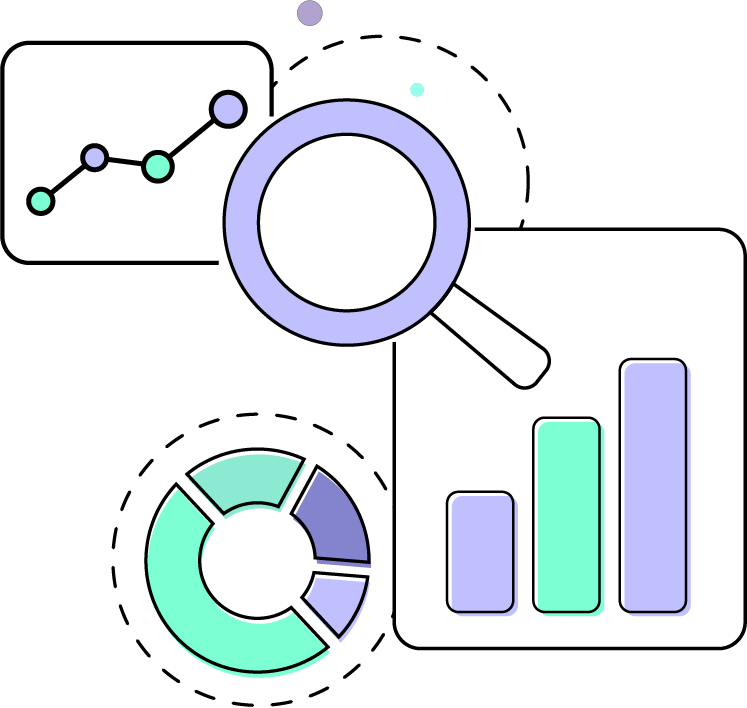
Reporting analysis in the digital ad industry helps marketers, including advertisers, media buyers, publishers, and affiliate networks, understand how their campaigns have performed over time, evaluate the quality of their traffic sources, identify growth opportunities, manage ad spend, and make informed decisions. Performance metrics play a vital role in reporting and analysis by providing measurable data to evaluate campaign effectiveness and identify areas for improvement. The use of the right performance metrics helps to understand the needs of the target audience well, ensures data accuracy, and converts insights into actionable strategies. By evaluating key metrics, such as impressions, clicks, AOV, ROAS, conversion rates, etc., marketers can determine whether their efforts are heading in the right direction to generate meaningful results. On this note, let us dive into those crucial factors that marketers should consider while analyzing their reports.
Key Factors To Consider When Analyzing Marketing Reports:
Here are some of the key factors that need to be taken into consideration while analyzing marketing reports.
1) Measuring Budget Utilization:
Businesses need to understand how their budgets are being spent, where the money is going, and whether the expenditure is generating meaningful results. To measure budget allocation effectively, businesses should consider various factors, including campaign performance, cost per acquisition (CAC), conversion rates, return on ad spend (ROAS), traffic quality, and audience engagement. These metrics help businesses determine the cost efficiency of their campaigns and identify whether their spending is delivering value or not. For instance, choosing a campaign solely because it has the lowest cost may attract low-quality traffic, while, on the other hand, a more expensive campaign may generate greater returns on investment. Therefore, evaluating campaigns based on their overall performance rather than cost alone helps businesses identify which investments contribute most effectively to their marketing objectives. Furthermore, regular reporting helps businesses identify and prioritize high-performing campaigns, audiences, and ad placements, enabling them to allocate their budgets more effectively and minimize wasteful spending.
2) Analyzing Campaign Performance across Channels:
Marketing campaigns run across multiple channels, which include search engines, social media platforms, display networks, ad networks, and programmatic exchanges that support programmatic advertising and Programmatic affiliate marketing. Each channel has its own specific set of audiences, payment mechanisms, conversion models, and engagement patterns. By analyzing performance across multiple channels, businesses can assess the effectiveness of their investments and identify which channels deliver the best results. To gain a clearer understanding of how each channel contributes to overall campaign performance, businesses need to evaluate the results across different parameters. Reports help to examine campaign results across channel types based on a multitude of factors, such as the nature of the traffic source/channel, ad placement type, device type, publisher, geographical location, audience segment, and others.
3) Making Informed Decisions:
Reports provide useful insights into various aspects of campaign performance such as audience engagement, traffic sources, conversion trends, campaign reach, customer behavior, and revenue generation. By analyzing these key insights, marketers can make informed decisions, identify areas for improvement, optimize campaign strategies, and allocate their budgets more effectively to achieve better campaign results.
Streamlining Reporting Analysis With Dashboards and Automation:
As advertising becomes more complex, manually collecting and analyzing information becomes time-consuming and resource-intensive. Automation and well-designed dashboards can help marketers access real-time information more quickly and identify any changes in performance trends more efficiently. With the use of reporting dashboards, campaign information is presented in a clearer, more organized, up-to-date, actionable, and accessible format, which is helpful for making better decisions and evaluating campaign performance. Using dashboards makes it easy to quickly review various metrics in one central location rather than digging through multiple reports. Automation, on the other hand, streamlines data collection, report generation, and performance monitoring, reducing manual effort and improving accuracy through capabilities such as API campaign automation, use of a Campaign scheduling tool, and automated performance bidding. The presence of automated reports provides valuable insights into partner performance, commission modes, traffic quality, and conversion rates, enabling marketers to manage client affiliate campaigns, compare results using agency affiliate tracking, identify areas for improvement, optimize campaign strategies, and enhance overall performance.
Strengthening Reporting Analysis Through Attribution and Compliance:
Attribution helps marketers understand how different touchpoints contribute towards conversions, and compliance ensures responsible methods of data collection, processing, and management. Together, they enhance the reliability of reports and help in making better-informed decisions. Attribution methods with compliance mechanisms help to gain a better understanding of campaign performance, improve the consistency of reports, and help in arriving at decisions based on precise and detailed insights. Rather than depending on first- or last-click mechanisms to evaluate campaign performance, marketers use attribution-based reporting to examine the customer's complete conversion journey from top to bottom, assess App install attribution, and also understand the role played by different touchpoints. Attribution reports provide detailed insights into campaign performance, helping marketers compare results across different channels, identify variations in conversion patterns, and evaluate the effectiveness of their optimization strategies. Compliance measures strengthen reporting mechanisms by ensuring that campaign measurement practices follow data retention and protection laws, platform guidelines, and user consent requirements. Privacy regulations, user consent, browser restrictions, access controls, and mobile operating system policies influence the data available for campaign reporting. Compliance measures encourage consistency in data collection and interpretation, support reliable use of the data, help strengthen reporting analysis, and optimize campaigns while respecting user privacy.
Turning Raw Data Into Actionable Strategies Through Reporting Analysis:
The real perks of reporting analysis lie in its ability to convert raw campaign data into meaningful improvements. While observing reports can let you discover what is happening across ad campaigns, analyzing the findings can help to explain the why behind what is happening; it goes knee-deep into evaluating the findings rather than just scratching the surface and helps to refine existing strategies, optimize budgets, and achieve campaign objectives more effectively. For example: Analyzing the reason behind a drop in conversion rate indicates a mismatch between an advertisement and the landing page, invalid audience segments, or a convoluted conversion process. Similarly, an increase in CPA requires marketers to improve their audience targeting mechanism, refine their Real-time bidding affiliate strategies, and review their ad placements or traffic sources. By identifying these factors, marketers can isolate the root cause of problems, address those issues, and achieve better results in the ad industry. By reviewing reports regularly and acting on the findings, advertisers can respond promptly to changing audience behaviors, reduce the chances of wasteful spending, and make more informed decisions about future campaigns.
Evaluating Traffic Sources and Click Referrals Through Reporting Analysis:
By analyzing reports, marketers can identify the ad platforms, publishers, and websites that deliver genuine, high-quality traffic and distinguish them from sources generating invalid traffic, helping strengthen Offer abuse prevention and fraud monitoring efforts. Reports provide insights into key performance metrics, helping marketers determine which traffic sources generate the most clicks and which contribute to meaningful conversions. Analyzing referral clicks helps trace the origins of ad clicks and website visits by identifying the sources that drive traffic to their websites or landing pages. Examining referral data enables marketers to evaluate how affiliates, ad platforms, and other affiliate partners contribute to campaign performance and identify opportunities to optimize their advertising strategies. These insights help marketers identify reliable traffic partners, refine campaign targeting, and allocate budgets more effectively.
Data Accuracy For Reliable Reporting Analysis:
Accurate data is the cornerstone for effective reporting analysis in the affiliate marketing industry. If data remains incomplete, inaccurate, or inconsistent, this can lead to misleading insights and ineffective campaign strategies. Hence, in this regard, tracking pixels, postbacks, APIs, and conversion events have to be configured correctly to prevent the loss of valuable data or duplicate records. Maintaining data accuracy requires consistent tracking across ad platforms, networks, and campaign management systems to ensure that clicks, conversions, and other performance metrics are recorded correctly and remain consistent across different sources. Reliable information determines the quality of traffic, assesses campaign performance more effectively, and identifies trustworthy traffic sources.
Using Alerts and Notifications to Bolster Reporting Analysis:
Alerts and notifications are salient features of reporting analysis, as they keep users informed about significant changes or deviations in campaign performance, enabling them to respond promptly, take corrective actions, and maintain campaign efficiency. For instance, system alerts notify users when predefined performance conditions are met or when campaign expenses surpass a specific threshold limit, conversion rates drop below required standards, or an abrupt spike in clicks happens; this certainly rings alarm bells in users' minds. These notifications allow marketers to investigate the root cause of issues such as campaign delivery issues, tracking errors, high bounce rates, and low-quality traffic sources, which may have a fallout on the overall campaign performance. By combining timely alerts with reporting data, marketers can improve campaign monitoring, maintain campaign quality, lower campaign expenditure, and support continuous campaign optimization in the digital ad industry.
Conclusion:
Reporting analysis has become an indispensable tool for the affiliate marketing industry. As campaigns, traffic sources, and ad networks scale across ad platforms, the need for reliable sources arises that can lead to a more comprehensive understanding of campaign effectiveness and can improve campaign performance. Real-time reporting, clearer dashboards, automated alerts and notifications, privacy-conscious measures, and accurate data further strengthen the reporting process for businesses using fintech affiliate marketing software, wellness affiliate tracking tools, or VAS campaign tracking software. Reporting analysis is not merely a number-crunching exercise; it is a vital cog in the wheel of effective campaign management, helping marketers understand what the numbers reveal about campaign performance and turn those insights into actionable strategies. By combining attribution with reporting analysis and campaign optimization, marketers can reduce wasted ad spend and build long-term marketing strategies, improve campaign efficiency, and identify opportunities for business growth. Reporting analysis transcends being a measurement tool to a decision-maker that helps brands transform raw data into actionable insights and generate profitable growth for their businesses.